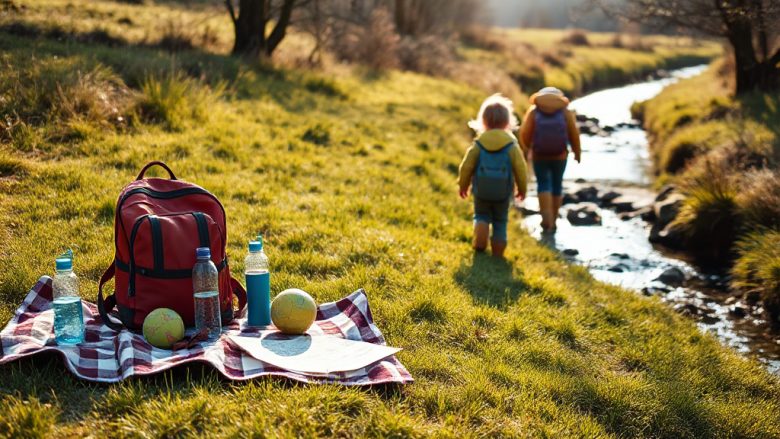
You want a simple outdoor day with the kids. Not a military operation. Not a spreadsheet of timings and tickets. Just fresh air, a bit of movement, and everyone home before the meltdowns start. That feeling is the whole point of this post. Below are the questions parents actually ask before heading out the door, answered without fuss. How long should we stay out? What if it rains? Do we need special gear? What about toilet stops, snacks, and the child who says they’re bored after nine minutes? Read the question that’s bugging you, get the answer, and go outside. That’s the idea behind outdoor family activities questions answered simply.
How long should an outdoor family activity last?
Shorter than you think, especially with children under six. A good rule is one hour of outdoor time for every year of the youngest child’s age, capped at around three hours. A two-year-old usually does fine with 45 minutes to an hour. A seven-year-old can handle two to three hours if there’s food and a sit-down in the middle.
The mistake most families make is planning a half-day epic when a 90-minute walk around a local park would have been perfect. Kids don’t need duration. They need a clear ending. Tell them “we’re going until the snacks run out” and they’ll pace themselves. Tell them “we’re staying all afternoon” and you’ll hear complaining by minute twenty.
If you’re unsure, aim short and leave while everyone still likes each other. You can always go out again the next day. You can’t un-spend a miserable three-hour outing.
What should we do when the weather turns?
Light rain is not a reason to cancel. It’s a reason to change what you wear. Waterproof jackets, wellies, and a change of socks in the bag turn a drizzly walk into an adventure. Puddles become the activity. Kids who are allowed to jump in them will remember the day for months.
Heavy rain, high wind, or a thunderstorm forecast is different. Those are genuine cancel-and-reschedule conditions. Don’t push it. A cold, wet child who is scared of thunder will not thank you, and you’ll spend the next week convincing them that outside is fun.
Heat is the sneaky one. Above roughly 28°C, shift your outdoor time to early morning or late afternoon. Bring more water than feels necessary. Hats for everyone, including the adults who think they don’t need one. If the ground is too hot to touch with your bare hand, it’s too hot for a dog’s paws and uncomfortable for small feet in thin shoes.
Do we need special equipment for outdoor family activities?
No. This is the question that stops the most families from going out at all, and it shouldn’t. You do not need matching fleeces, hiking poles, or a roof box. You need shoes that stay on, layers you can remove, and water.
That said, a few cheap items make a real difference. A small backpack that the child carries themselves (even if it only holds a snack and a water bottle) builds independence and lightens your load. A picnic blanket that folds small. A ball. A magnifying glass if you have one lying around. None of this is essential, and none of it needs to be bought new.
If you’re heading somewhere with rough ground, trainers with grip beat fashion trainers every time. If it’s muddy, wellies. If it’s a beach, shoes you don’t mind ruining. Match the footwear to the ground and you’ve solved 80% of the practical problems before they happen.
Where can we go that’s close and free?
Closer than you’d expect. Most families live within a 15-minute walk of something usable: a park with trees, a canal path, a field edge, a quiet residential street with wide pavements for scooters. The best outdoor activity is the one you’ll actually do on a Tuesday after school, not the one that needs a 40-minute drive and a car park fee.
Start with what’s on your doorstep. Then expand outward. A local nature reserve, a towpath, a beach if you’re near one, a country park with a marked trail. Free options are usually less crowded on weekday evenings and early weekend mornings, which also happens to be when kids are at their best.
If you’re stuck, try this: pick a direction and walk for 20 minutes, then turn around. You’ll find something. A stream, a fallen log, a hill with a view. Children don’t need a destination. They need permission to explore the route.
How do we handle food, toilets, and tired legs?
Snacks prevent more meltdowns than any other single thing. Bring more than you think you need, and bring things that don’t melt or squash. Oat bars, fruit, crackers, a filled water bottle each. Eat before anyone is hungry. Hungry kids don’t negotiate.
Toilets are the practical question nobody wants to ask. Before you leave, everyone goes, even the child who insists they don’t need to. Once you’re out, know your options: public toilets at parks and supermarkets, cafés where you’ll buy a drink anyway, or a discreet bush for emergencies with older children. For toddlers, a travel potty in the boot of the car is worth its weight in gold.
Tired legs are normal and not a sign you did anything wrong. Plan a rest stop halfway. Sit on a bench, a wall, or the grass. Give it ten minutes. Most children rally once they’ve stopped moving. If they don’t, that’s your cue to head back. Turning around early is not failure. It’s good judgement.
What if my child says they’re bored?
Boredom outdoors is usually a transition problem, not a real problem. It tends to hit in the first ten minutes, before they’ve settled into the pace of being outside. Give it time. Don’t immediately offer entertainment. The best outdoor play often starts after a few minutes of nothing much happening.
If boredom sticks, change one thing. Not the whole plan. Just one thing. Walk a different way. Stop and look at something closely. Hand them the map or the snack bag and give them a job. Children who feel useful stop complaining. It’s that simple, and it works more often than any elaborate activity you could plan.
Some days, nothing works. That’s fine too. Go home, have a snack, try again tomorrow. Outdoor family life is a long game, not a single afternoon.
Questions parents ask most
How often should we aim to get outside as a family?
Little and often beats big and rare. Three or four short outings a week do more for everyone’s mood and habits than one long weekend trip. Even 20 minutes after school counts. The goal is routine, not achievement.
What’s the best age to start outdoor family activities?
From birth, really. Babies can go out in a sling or pram from the first weeks. Toddlers need shorter, slower outings with more stopping. Older children can handle longer routes and a bit more challenge. Adjust the plan to the youngest person in the group and everyone else will cope fine.
Do we need to plan activities or can we just go?
Just go. A walk with no agenda is one of the most underrated family activities there is. Planning is useful for longer trips or unfamiliar places, but for everyday outdoor time, leaving the house is the only plan you need.
Pack a simple kit and keep it by the door: water bottles, a few snacks, a spare pair of socks each, a light waterproof, and a small bag for rubbish. That’s it. Everything else is optional. The families who get outside most often aren’t the ones with the best gear. They’re the ones who made it easy to say yes.